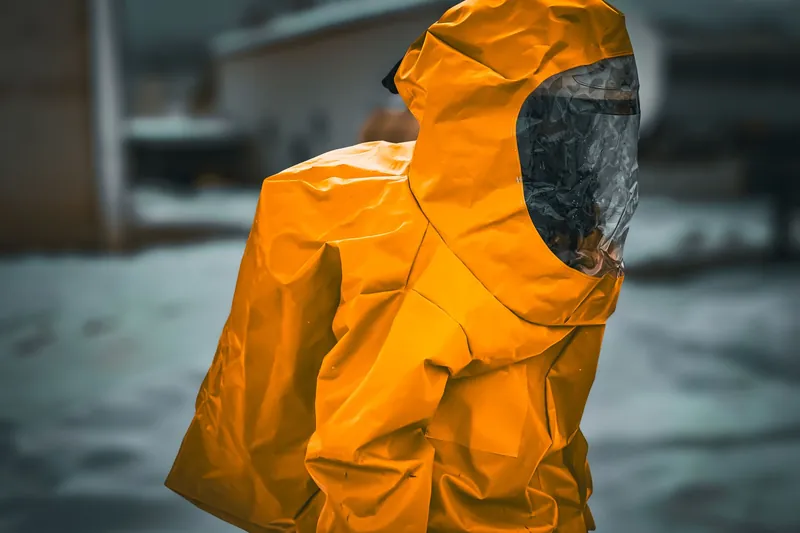
Biohazard Cleanup
Removal and disinfection of blood, body fluids and other infectious material from any property.
See biohazard cleanupGet biological contamination removed from a home, apartment, rental or business near Melrose. Cleanup can include containment, material removal, disinfection, waste disposal and odor treatment.
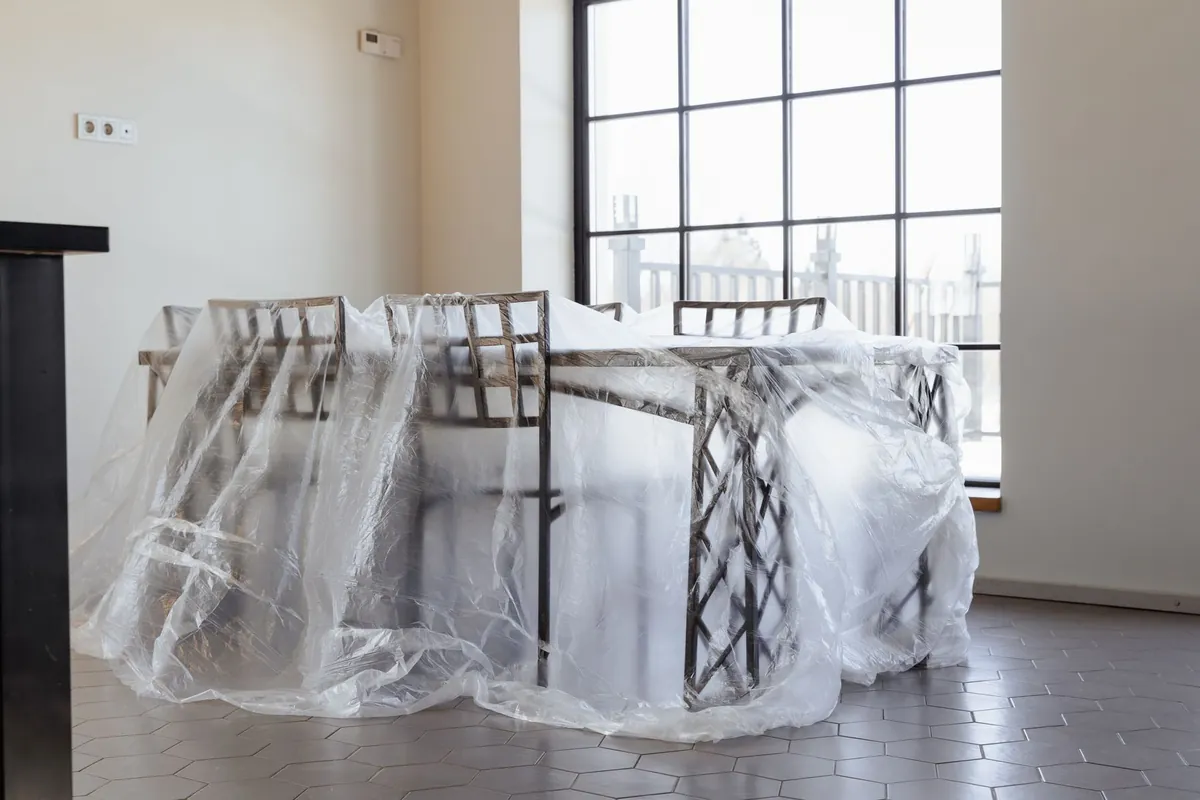
Biohazard remediation returns a contaminated space to use by controlling and removing biological material, cleaning surfaces, applying disinfectant, disposing of waste and treating odor.
Material that could expose you to dangerous microorganisms or toxins is a biological hazard. Examples on a property include sewage, animal waste, human waste, blood, bodily fluids and material affected by infectious illness. Unlike ordinary cleaning, this work must account for contamination that reaches hidden places such as carpet, padding, drywall seams and unfinished wood.
Biological remediation starts with finding the full affected area. The cleanup process can include containment, removal, cleaning, disinfection and odor treatment. Cleanable surfaces are treated with an EPA-registered disinfectant for the contact time on its label. Porous materials that cannot be fully disinfected are removed and packaged for disposal under the rules that apply in that state. Odor control comes after the source is removed, not before it.
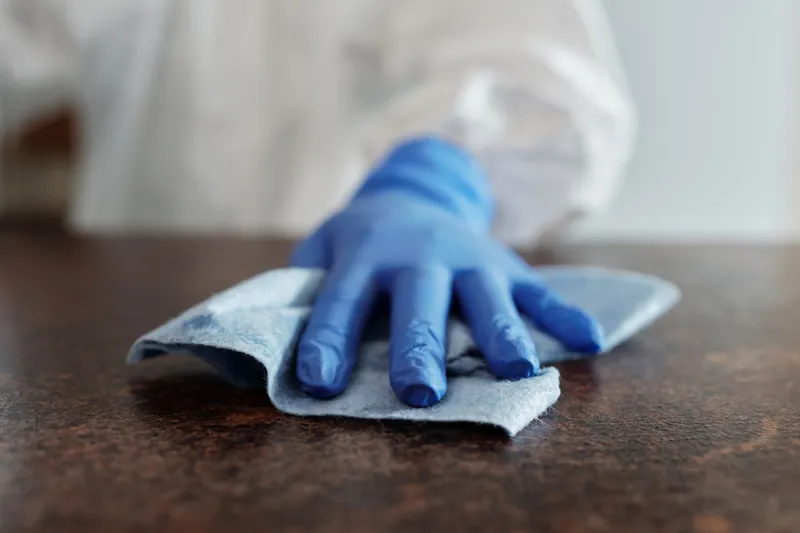
You may mark keepsakes and essential documents before workers move belongings. Belongings need separation based on whether cleaning is possible or they remain unaffected.
Cleanup crews arrive in unmarked vehicles. You can ask how access, parking and movement of materials will be managed around neighbors, tenants or staff.
When explaining the loss and completed remediation to a landlord, adjuster or property manager, records may include photos, scope details, invoices and waste documents.
Ask a biohazard remediation company to identify impacted areas, items to clean or remove and repair work that may follow remediation. When comparing biohazard remediation companies, ask who sets the scope and which cleanup technicians will enter the work zone.
You may need biohazard remediation when biological contamination has absorbed into porous material, moved beyond one small surface that can be cleaned or may be dangerous to touch. Do not enter while law enforcement or emergency responders remain active. Wait until they release the area. The scope is then set for that specific situation. Common examples are:
Category 3 black water includes sewage. Work may include taking out wet porous material and drying surrounding areas after surfaces suitable for cleaning are disinfected.
An unattended death may affect indoor air along with furniture, walls, subfloor and flooring. Personal belongings are sorted carefully during the cleaning process.
Controlled removal may be necessary for sharps, spoiled food, human or animal waste and contaminated personal property in hoarding environments.
Keeping people outside the work area can require carefully sequenced, specialized cleaning services in stores, offices, rentals and shared buildings. Repairs to flooring, walls or fixtures may follow remediation through separate restoration services.
Start by keeping yourself and others from touching the affected space. These basic steps can reduce exposure and keep contamination from being carried into rooms that are clean:
Call (888) 351-0904Published guides put biohazard cleanup costs across a broad range because no two affected areas are alike. The typical national range listed by Fixr is $3,000 to $5,000. Yelp places the residential average within $1,800 to $4,500. Aftermath's biohazard cleanup pricing guide shows a wider span, $1,000 to $15,000. Your actual scope can be determined only through an assessment.
These national ranges are taken from published cost guides, rather than a property visit. After an on-site assessment, the price for your property is determined and shared with you before cleanup begins.
Ask about cost: (888) 351-0904Insurance may pay toward remediation when your policy includes the cause of the biohazard loss. Your insurance company alone can confirm claim payment because every policy can have different coverage, exclusions and deductibles. The company may request disposal documentation, photos and the cleanup scope.
Property owners and businesses should check any applicable liability and building policies. For insurance assistance, photos, cleanup scope documents, invoices and waste records may be organized in the claim file.
Your report should identify why the contamination happened as well as the need to clean it. Determine if the covered loss extends to repair work, material removal, disinfection and treatment for odor.
Learn which documents are required, what limits and exclusions apply, your deductible amount and whether repairs fall outside biological cleanup. Keep a record of your adjuster contact and claim number.
The New York State Office of Victim Services lists crime scene cleanup expenses among the compensation it can pay to crime victims. Insurance is usually checked first.
From the initial assessment, remediation advances into containment. Removal comes next, followed by detailed cleaning and one concluding check. The steps follow the agreed scope and are ordered to reduce both direct contact and cross-contamination. Disinfecting is not a substitute for taking out contaminated material that cannot be cleaned.
Examination covers affected rooms, travel routes and adjacent surfaces. The written scope identifies what may be cleaned or removed and where protection is needed.
The work area is separated from clean space with barriers. Crew members control travel from zone to zone while using personal protective equipment selected for the exposure.
Collection of sharps and visible matter occurs before surfaces are treated. Puncture-resistant containers hold sharps, while affected absorbent items receive separate packaging.
When contamination penetrates materials that cannot be completely disinfected, removal can include carpet, padding, insulation, drywall, upholstered contents or subfloor sections.
Workers first clean soil from remaining surfaces and then apply an EPA-registered disinfectant. The surface stays wet for the contact time stated on the product label.
Contaminated sources are removed before odor treatment begins. Selection of HEPA filtration or other treatments may depend on the material, room and how the space is occupied.
Removed material is sealed, labeled when required and directed to an appropriate hazardous waste or medical waste stream. Records can identify material taken away from the site.
The work area receives a final check against the established scope. Cleanup documentation and photos may support an insurance record before separate repairs restore drywall, flooring or other finishes.
Call at any time. A specialist in biohazard remediation takes your call, explains each step and agrees on a start time with you.
Biological contamination can seriously risk your health through a splash, skin exposure, a sharp object or transfer on tools, hands and shoes.
Some blood may carry bloodborne pathogens. Careful cleaning and disinfection remain necessary for dried blood because surface-bound hepatitis B can last at least seven days, according to the CDC.
You and your loved ones may find it difficult to face a serious property event, an injury or a death. You may stay away from the affected area as cleanup crews document conditions and explain the choices involved.
Porous contaminated items, sharp objects and additional waste require separation, packaging and transport under rules for that location and material.
Can you clean it yourself? When blood is limited to a few drops on hard material without pores, wear throwaway gloves, keep people back and observe the complete label contact time for an EPA-registered disinfectant. Professional cleanup is appropriate if contamination involves sewage or sharps, enters fabric, carpet, drywall or bare wood, or spreads past boundaries you can identify.
Non-porous material can usually remain if all contaminated surfaces are accessible for cleaning and disinfection. When contamination goes below the surface of an absorbent material, removal may be necessary.
Where occupational blood contact may happen, the OSHA Bloodborne Pathogens Standard, 29 CFR 1910.1030, requires worker training, exposure controls, protective equipment and proper handling.
Use an EPA-registered disinfectant intended for that purpose. Clean first, then maintain a wet surface for the complete contact period specified by the product label.
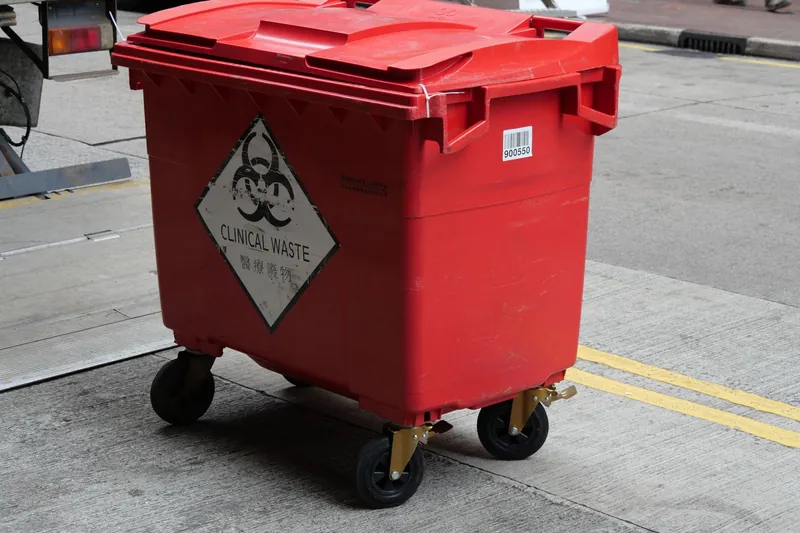
New York treats blood-soaked materials from a biohazard scene as regulated medical waste. Rules from the Department of Environmental Conservation and the Department of Health control how it is packed, moved and treated, so it cannot go in household trash.
New York has no statewide office. Counties use elected coroners or appointed medical examiners, and New York City's five boroughs are covered by its Office of Chief Medical Examiner. Cleanup starts after police or the medical examiner or coroner release the scene.
Biohazard remediation has no universal timeline. How long it takes is determined by contaminant type and spread, impacted materials, contact-time or drying requirements, waste quantity and the need to open any hidden area.
The full biohazard remediation guide covers what is cleaned or removed, odor and air quality work, and the rules that apply in your state.
Read the full biohazard remediation guidePlanning for access, containment and cleanup can depend on local population, housing and entry conditions.
Knowing that Albany Medical Center Hospital is about 1.1 miles away helps households plan where to seek care before arranging scene cleanup.
Nearby communities include Buckingham Lake, Pine Hills, and Eagle Hill, useful geographic references when explaining a property location to a cleanup crew.
A neighborhood address can differ from its broader city label, making the full street and unit information important for discreet cleanup access.
Ask on the call about cleanup options for neighboring communities and ZIP codes.
Removal and disinfection of blood, body fluids and other infectious material from any property.
See biohazard cleanup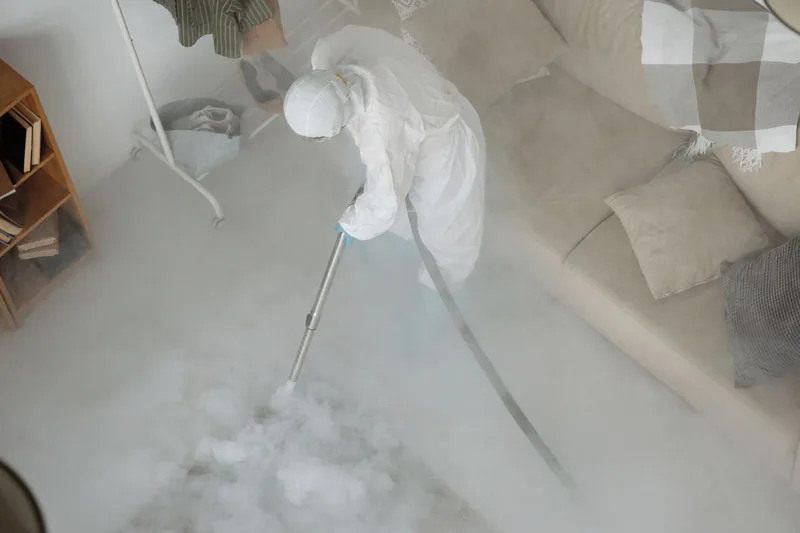
Complete decontamination treats the room, its surfaces and the air after a hazardous or infectious exposure.
See biohazard decontamination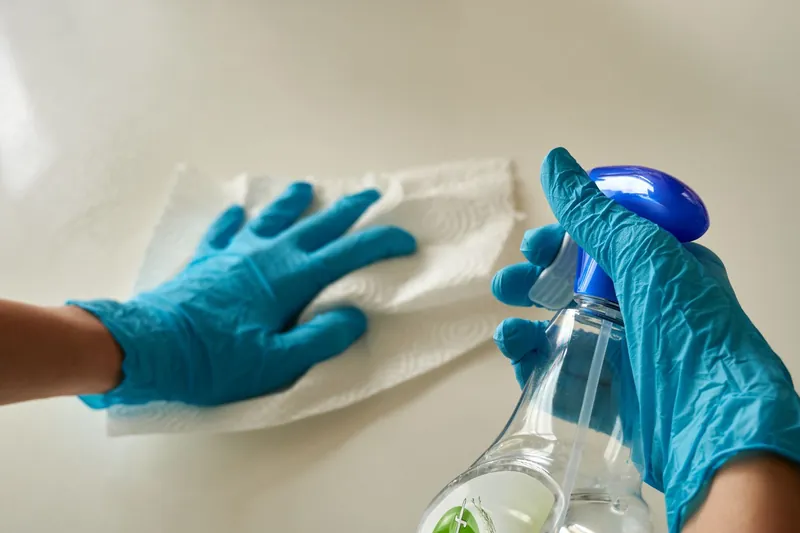
Blood cleanup on carpet, hard floors, walls and furniture with safe disposal.
See blood cleanup
Cleanup controls the risk of blood exposure involving HIV, hepatitis C and hepatitis B.
See bloodborne pathogen cleanup
Bodily fluid cleanup and disinfection for homes, care settings and businesses.
See bodily fluid cleanup
Crime scene cleaning begins after police release and covers blood, odor and the affected property.
See crime scene cleanup
Decomposition cleanup and odor control are needed after a death goes unnoticed for several days.
See unattended death cleanup
Raw sewage cleanup treats Category 3 black water and includes both drying and disinfection.
See raw sewage cleanupA hard surface without pores may be manageable when only a few drops are fresh, provided you wear disposable gloves and follow an EPA-registered disinfectant label exactly. Get professional assistance when sewage or sharps are involved, porous materials are reached, spread continues past visible borders, the source is unknown or cleaning could expose you.
Cleaning and disinfection may be possible for hard, sealed furnishings when workers can reach the entire affected surface. If contamination penetrates an upholstered or porous item, that item may need to be taken out. You may examine keepsakes, documents and photographs so they can be separated from the work zone before decisions about disposal.
A biological hazard is material that may expose people to harmful microorganisms or toxins. Building-related examples include animal waste, some infectious-disease contamination, human waste, sewage, blood and bodily fluids. Risk changes according to what the material is, how exposure can occur, the surface involved and how far it traveled.
Start by keeping people and pets away. Do not touch, sweep or vacuum the material. Managing a biological hazard can involve containment barriers, protective equipment, sharps procedures, removal of contaminated absorbent materials, cleaning, disinfection, proper waste packaging and prevention of cross-contamination by tools and shoes.
Yes. Treat dried blood as a possible biohazard. Hepatitis B may live on surfaces for at least seven days, the CDC says. Avoid bare-hand contact, sweeping or ordinary vacuuming. First clean the soil from the surface, then disinfect with an appropriate product kept in place for the full labeled contact time.
When the cause of contamination is a covered event, a homeowners policy may also cover the resulting cleanup. Deductibles, exclusions and policy limits differ. Report the cause to your insurance company and ask specifically about contaminated material removal, disinfection, odor treatment, waste disposal and repairs. Save your claim number and requested records.
Respectful, discreet biohazard remediation is available 24 hours a day, and crews arrive in unmarked vehicles.